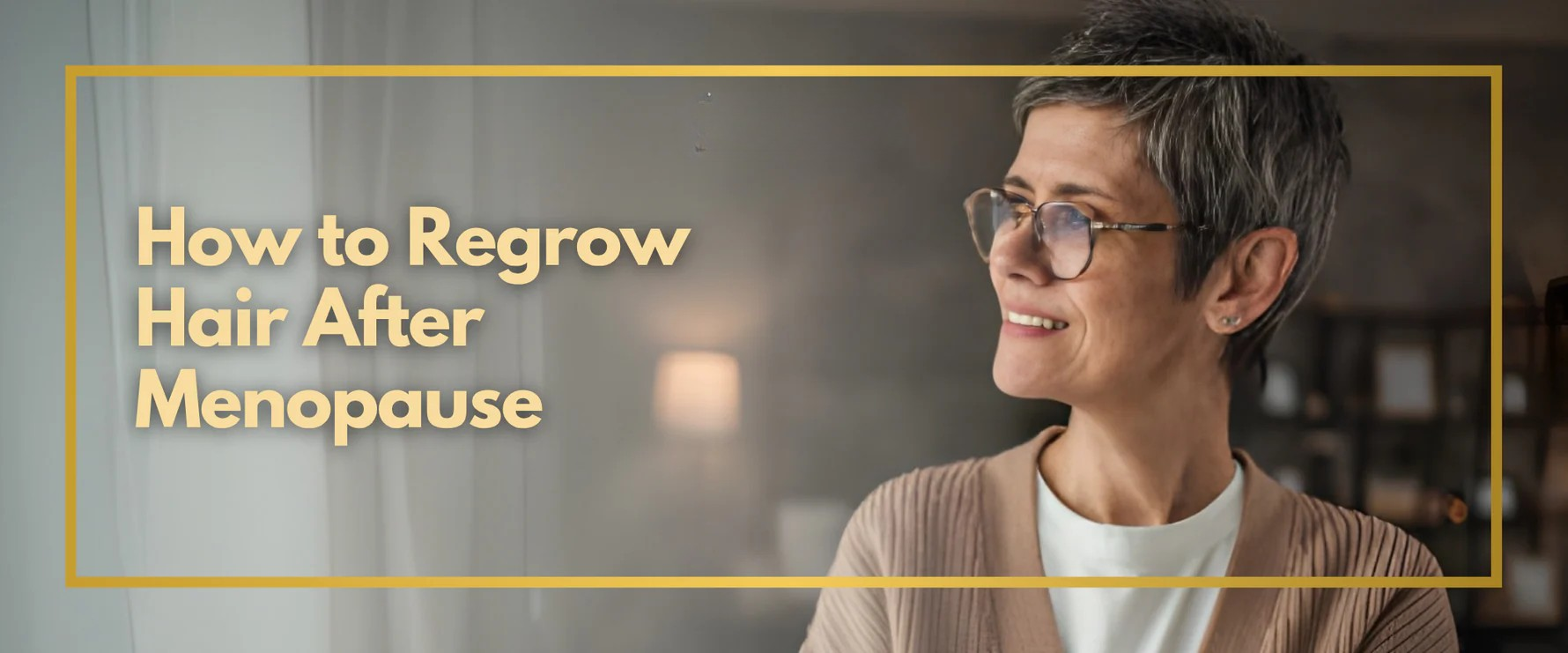
How to Regrow Hair After Menopause
By New Wave Hair Solutions
Many women notice changes in their hair after menopause — thinning, increased shedding, dryness, or loss of volume. While this can be frustrating and emotional, it’s also very common and often manageable with the right approach.
At New Wave Hair Solutions, we help women understand why these changes happen and how to support healthier hair growth during and after menopause.
Why Hair Changes After Menopause
During menopause, levels of estrogen and progesterone decline. These hormones play an important role in keeping hair in its active growth phase. When estrogen drops:
-
Hair grows for shorter periods
-
More strands shift into the shedding phase
-
Hair may appear finer, weaker, and less dense
At the same time, androgens (male-pattern hormones that women also produce) can have a stronger effect on hair follicles, especially on the crown and along the part line.
Understanding DHT and Menopausal Hair Thinning
One key hormone involved in menopausal hair loss is DHT (dihydrotestosterone). DHT can attach to hair follicles and gradually cause them to shrink. Over time, this leads to thinner hair strands and slower regrowth.
The goal is not to eliminate hormones, but to reduce their impact on the hair follicles by supporting scalp health, circulation, and follicle resilience.
Supporting Hair Regrowth After Menopause
Hair regrowth works best when the scalp is healthy and inflammation is controlled. Important focus areas include:
Improving Scalp Circulation
Good blood flow helps deliver oxygen and nutrients to the hair follicles. Gentle scalp massage and circulation-supporting treatments can help keep follicles active.
Reducing Inflammation
Chronic, low-grade inflammation can disrupt hair growth cycles. Addressing inflammation creates a better environment for regrowth.
Strengthening Hair Follicles
As hair ages, it naturally becomes more fragile. Supporting the scalp helps new hair grow in stronger and more resilient.
Scalp Health Is the Foundation
After menopause, the scalp may become:
-
Drier
-
More sensitive
-
Less balanced in oil production
Gentle exfoliation can remove buildup, while proper hydration helps restore comfort and balance. A healthy scalp allows hair treatments to work more effectively and supports long-term regrowth.
Lifestyle Factors That Affect Hair After Menopause
Hair health is closely connected to overall wellness.
Nutrition
Nutrients that support healthy hair and scalp function include:
-
Omega-3 fatty acids
-
Iron
-
Zinc
-
Selenium
Stress and Sleep
Chronic stress and poor sleep can worsen hormonal imbalance and increase shedding. Managing stress and prioritizing rest play an important role in hair recovery.
Consistency Matters
Hair growth is a slow process. Most women begin to notice improvements within three to six months when they follow a consistent, supportive routine.
A simple routine may include:
-
Gentle cleansing
-
Scalp-focused treatments
-
Daily or regular scalp massage
-
Ongoing evaluation and adjustments
There is no overnight fix — but steady care leads to meaningful results.
Our Approach at New Wave Hair Solutions
At New Wave Hair Solutions, we take a personalized, scalp-focused approach to menopausal hair loss. Our goal is to:
-
Identify contributing factors
-
Support scalp health
-
Reduce inflammation
-
Create realistic, long-term regrowth plans
Hair loss after menopause is not just cosmetic — it’s often a sign that the scalp and follicles need attention.
Final Thoughts
Menopause brings many changes, but hair thinning does not have to be permanent. With education, consistency, and the right scalp-focused approach, healthier hair growth after menopause is achievable.
Call to Actions
-
Schedule a personalized hair & scalp consultation with New Wave Hair Solutions
-
Book a professional scalp evaluation today
-
Stop guessing and start understanding your hair changes
-
Take the first step toward healthier hair after menopause
#MenopauseHairLoss #PostMenopauseHair
#WomensHairLoss #HairThinning
#ScalpHealth #HealthyScalpHealthyHair
#HormonalHairLoss #HairLossEducation
#NewWaveHairSolutions #HairRestoration