
Tired of the “Band-Aid” Approach to Pain? Why Stemwave is the Solution You’ve Been Waiting For.
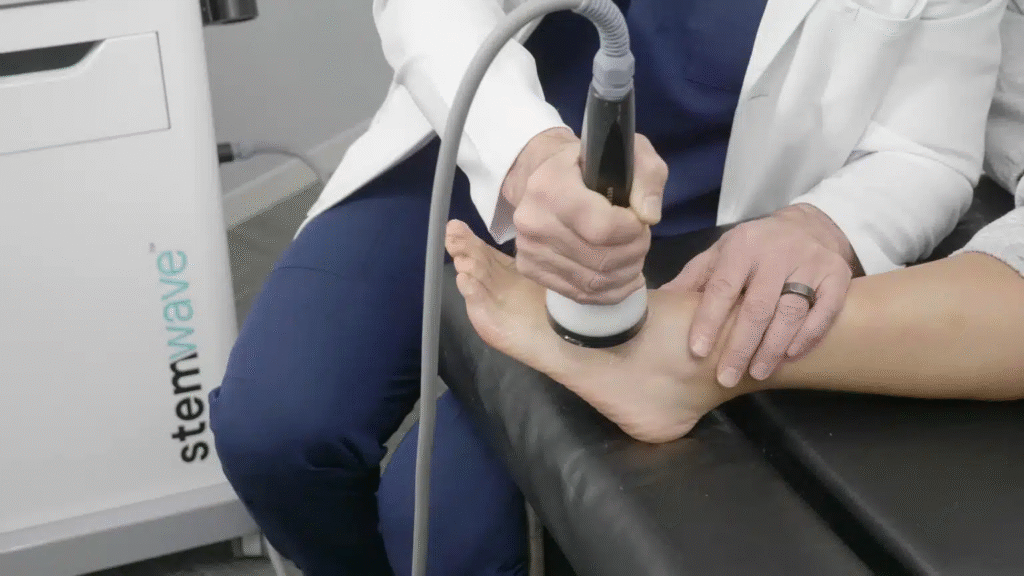
We’ve all been there. You wake up with that familiar ache in your knee, a sharp pull in your shoulder, or that nagging stiffness in your back that just won’t quit. What’s the first thing most people do? They reach for a “Band-Aid.” Maybe it’s a bottle of ibuprofen. Maybe it’s a heating pad or a cold compress. In more serious cases, maybe it’s a painful steroid injection that offers relief for a month before the pain comes roaring back. At NuWave Total Wellness, we believe you deserve better than a temporary fix. You deserve a solution. The Problem with “Managing” Pain When a doctor tells you that you just need to “manage” your pain, they are essentially telling you to live with it. “Management” usually involves masking the symptoms while the underlying problem—the damaged tissue, the poor circulation, or the inflammation—continues to get worse. This is the classic “Band-Aid” approach. It covers the wound, but it doesn’t help it heal. What is Stemwave? (The Real Solution) If you live in Heath, Rockwall, or anywhere in Kaufman County, you have access to a technology that changes the game. Stemwave (also known as Area-Directed Shockwave Therapy) is a non-invasive treatment that doesn’t just hide your pain—it tells your body to fix it. Think of it as a “wake-up call” for your natural healing system. How It Works (Without the Medical Jargon) Stemwave uses advanced sound waves to penetrate deep into your tissue. Here is the simple 3-step process of what happens during a session: Locate the Source: The sound waves act like a “pain seeker.” When they hit damaged tissue, they create a specific sensation that helps us pinpoint the exact root of your problem. Activate Your Repair Cells: The energy from the sound waves triggers a biological response. Your body thinks there is a new injury (don’t worry, it doesn’t hurt!) and rushes “repair cells” and growth factors to the area. Boost the “Fuel Line”: It increases blood flow (circulation) to the area. Blood is the fuel your body needs to rebuild tissue. Without good circulation, healing stalls. Stemwave gets the engine running again. Band-Aid vs. Stemwave: A Quick Comparison Feature The “Band-Aid” (Pills/Shots) The Solution (Stemwave) Goal Hide the pain Repair the tissue Method Chemicals or Needles Advanced Sound Waves Downtime Can be days (for surgery/shots) Zero. Back to your day instantly. Longevity Wears off quickly Promotes long-term healing What Does This Mean for Your Life? Imagine your life without the “Band-Aids.” It means hitting the golf course at the Buffalo Creek Golf Club without worrying about your shoulder. It means playing on the floor with your grandkids without your knees “locking up.” It means waking up on a Monday morning feeling refreshed, not stiff. Is Stemwave Right for You? Stemwave is highly effective for some of the most common “nagging” injuries we see in our Heath office, including: Chronic knee pain (including “bone on bone” feel). Plantar Fasciitis (heel pain). Rotator cuff and shoulder stiffness. Lower back and hip discomfort. Stop Hiding the Pain. Start Healing It. You don’t have to accept “management” as your only option. You don’t have to keep buying bigger boxes of Band-Aids. At NuWave Total Wellness, we use data and advanced technology to give you a personalized path back to the life you love. Our treatments are fast, comfortable, and—most importantly—they work with your body, not against it. Ready to see if Stemwave is the solution you’ve been looking for? [ CLICK HERE TO BOOK YOUR CONSULTATION] Or Call/Text us today: 972-316-7100 Located in Heath, TX — Proudly serving the Rockwall and Kaufman communities. #Stemwave #NonInvasive #NoSurgery #NoNeedles #HeathTX #RockwallTX #FateTX
Why Your Pain Keeps Coming Back (And How to Finally Stop It)
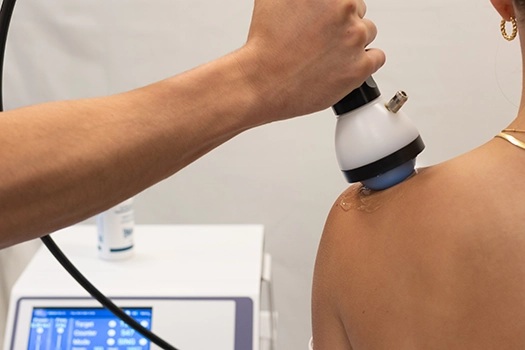
We have all been there. You wake up with a stiff back, a shooting pain in your knee, or a dull ache in your shoulder. You reach for a bottle of pills, grab an ice pack, and hope for the best. By lunch, you feel a little better. But by the next morning? The pain is right back where it started. If this sounds like you, you aren’t alone. Many of our neighbors in Heath and Rockwall are stuck in this same cycle. The problem isn’t that you aren’t trying to fix it—the problem is that you are using a Band-Aid when you need a Solution. The Problem with “Quick Fixes” When we hurt, we want relief fast. Pills, heating pads, and creams are great at “numbing” the pain, but they don’t fix why you are hurting in the first place. It’s like seeing a “Low Oil” light on your car’s dashboard and putting a piece of tape over the light so you don’t have to see it. The light is gone, but the engine is still in trouble. The NuWave Way: Healing from the Inside Out At NuWave Total Wellness, we don’t believe in just “covering up” your symptoms. We believe in helping your body heal itself. Whether you are coming to see us from Forney, Fate, Rowlett, or right here in Heath, our goal is the same: to find the root cause of your pain and fix it without surgery or needles. Here is how we do it differently: We Listen First: No one knows your body better than you do. We start with a free visit to hear your story. No Surgery, No Downtime: Our treatments are gentle and natural. You don’t have to worry about long recovery times or painful pokes. Lasting Results: We focus on improving blood flow and helping your cells repair themselves. This leads to relief that actually stays. Don’t Settle for a Band-Aid You deserve to play with your grandkids, work in your garden, or go for a walk at the lake without worrying about your joints. You deserve to feel like “you” again. If you are tired of the cycle of temporary relief, come talk to us. We serve families all across Rockwall and Kaufman counties, and we would love to help you find a path to a pain-free life. Claim your free visit and let’s create a plan together. Call or Text us today: (972) 316-7100 NuWave Total Wellness: It’s a solution, not a Band-Aid. Hashtags for this Blog Post: #HeathTX #RockwallTX #ForneyTX #FateTX #RowlettTX #RockwallCounty #KaufmanCounty #PainRelief #WellnessJourney #NaturalHealing #NoSurgery #ChronicPain #NuWaveTotalWellness #ItsASolutionNotABandAid #HeathBusiness
Why Some Pain Doesn’t Heal — And What Can Help
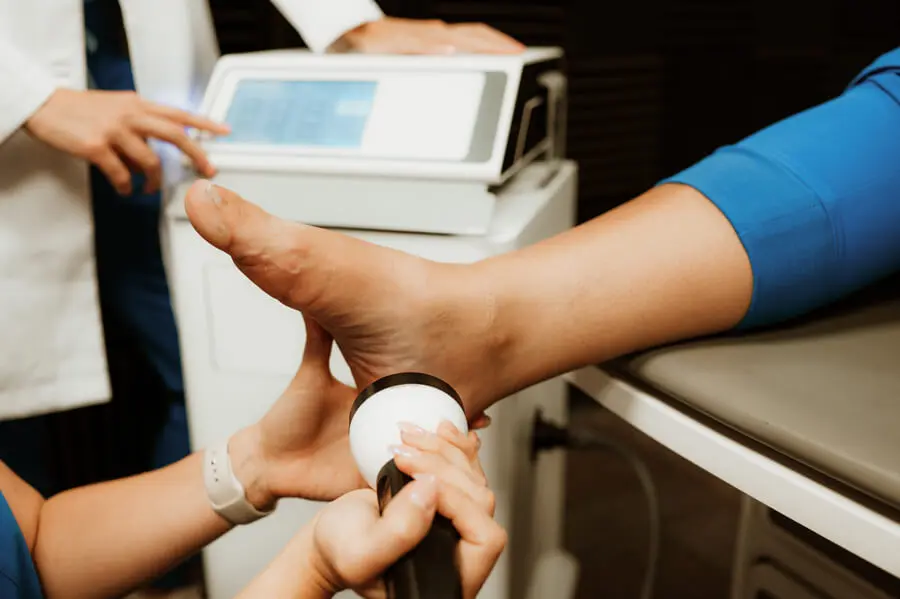
Why Some Pain Doesn’t Heal — And What Can Help If you’ve ever wondered why certain injuries or pain seem to linger no matter what you try, you’re not alone. Many people do everything “right” — rest, ice, stretching, medication — yet still struggle with knee pain, foot pain, shoulder discomfort, or chronic aches that won’t fully resolve. The reason may surprise you. In many cases, pain doesn’t persist because the body isn’t trying to heal. It persists because the healing process gets stuck. Why Pain Can Linger Longer Than It Should When the body is injured, it naturally sends blood, oxygen, and nutrients to the area to begin repair. This process depends heavily on healthy circulation and cellular activity. Over time, however, several factors can slow or interrupt healing: Reduced blood flow Scar tissue buildup Repetitive stress or overuse Aging tissues that recover more slowly Chronic inflammation When circulation is limited, tissues don’t receive what they need to fully repair. The result is pain that may improve temporarily, but never truly resolves. This is why so many people feel stuck in a cycle of: Temporary relief Pain returning Needing repeated treatments or medications Why “Covering Up” Pain Isn’t the Same as Healing Many common approaches focus on managing symptoms, not addressing what’s happening beneath the surface. While pain relievers, injections, or rest may help in the short term, they don’t always stimulate the body’s natural healing response. For some people, this leads to frustration and the feeling that nothing really works long-term. True healing requires activating the body’s own repair mechanisms, not just quieting pain signals. How StemWave® Therapy Supports the Healing Process StemWave® therapy is designed to help the body restart and support its natural healing response. It uses gentle acoustic waves that are applied to the affected area. These waves help: Improve circulation Support oxygen and nutrient delivery Stimulate cellular activity Encourage tissue repair Rather than masking pain, StemWave focuses on creating an environment where healing can move forward again. What Patients Appreciate About StemWave Patients often choose StemWave because it fits easily into their lives and treatment plans: Non-invasive No injections or surgery No downtime Comfortable, quick sessions StemWave is commonly used for: Knee pain Foot and heel pain (including plantar fasciitis) Shoulder and elbow discomfort Back pain Lingering sports or overuse injuries Because it works with the body instead of against it, many patients appreciate that it feels like a natural next step rather than a drastic intervention. A Different Way to Think About Pain Relief Healing isn’t always about doing more — sometimes it’s about doing something different. When pain lingers, the issue often isn’t effort or willpower. It’s that the body needs support to move past a stalled healing phase. That’s why StemWave is often described as: A solution — not a band-aid. Taking the Next Step If you’ve been dealing with pain that just won’t go away, learning more about how your body heals — and what may be slowing that process — can be empowering. At NuWave Total Wellness, we take time to understand your symptoms, your history, and your goals before recommending any treatment. Every plan starts with education and personalized care. If you’re ready to explore options that support healing rather than just temporary relief, we’re here to help.
StemWave Therapy
A Non-Surgical Approach to Pain Relief and Healing Living with chronic pain can quietly take over your life. Whether it’s knee pain that limits your workouts, shoulder pain that makes sleep uncomfortable, or nagging joint issues that never seem to fully resolve, many people feel stuck choosing between medications, injections, or surgery. At NuWave Total Wellness, we offer StemWave® Therapy — a non-invasive treatment designed to help your body activate its natural healing response and support long-term pain relief without surgery or downtime. What Is StemWave Therapy? StemWave is an advanced form of acoustic wave therapy that uses targeted sound waves to stimulate healing in injured or inflamed tissue. These acoustic waves help: Increase blood flow to the affected area Reduce inflammation Stimulate cellular repair and regeneration Support the body’s natural healing mechanisms Unlike treatments that only mask symptoms, StemWave is designed to address the underlying cause of pain, not just temporary discomfort. What Makes StemWave Different? StemWave stands out because it is: Non-surgical Drug-free Non-invasive No injections or needles No downtime Most sessions are quick, and many patients return to normal daily activities immediately after treatment. For individuals seeking relief without the risks or recovery associated with surgery, StemWave offers a powerful alternative. Common Conditions Treated with StemWave StemWave Therapy is commonly used to help with: Knee pain Shoulder pain (including rotator cuff issues) Back and neck pain Hip pain Plantar fasciitis Elbow pain (tennis elbow / golfer’s elbow) Joint stiffness and inflammation Sports or activity-related injuries Every treatment plan is personalized based on your symptoms, activity level, and long-term goals. What Does a StemWave Session Feel Like? Most patients describe StemWave treatments as: Mild pressure or tapping sensations Very tolerable and brief Comfortable with no anesthesia required There’s no sedation, no recovery time, and no disruption to your routine. Why Choose NuWave Total Wellness? At NuWave Total Wellness, we believe in treating the whole person, not just the symptom. StemWave Therapy is used as part of a personalized pain-relief and wellness strategy, guided by professional evaluation and ongoing progress monitoring. Our goal isn’t just short-term relief — it’s helping you: Move more freely Stay active Reduce reliance on medications Get back to doing the things you enjoy Is StemWave Right for You? StemWave may be a great option if you: Struggle with chronic or recurring pain Want to avoid surgery or injections Haven’t found relief with traditional treatments Are looking for a natural, drug-free approach A consultation helps determine whether StemWave is appropriate for your condition and goals. Take the First Step Toward Pain Relief If pain is limiting your movement or quality of life, you don’t have to simply live with it. 👉 Schedule a consultation at NuWave Total Wellness to learn if StemWave Therapy is right for you. Serving Heath, Rockwall County & Surrounding Areas NuWave Total Wellness proudly offers non-surgical pain relief solutions, including StemWave Therapy, to patients throughout Heath, Rockwall County, and the surrounding communities. 🔖 Hashtags #StemWave #StemWaveTherapy #NonSurgicalPainRelief #RegenerativeTherapy #AcousticWaveTherapy#KneePainRelief #ShoulderPainRelief #JointPain #ChronicPain #PlantarFasciitis #BackPainRelief#PainReliefSolutions #NaturalHealing #MoveBetter #ActiveLifestyle #DrugFreeHealing#NuWaveTotalWellness #HeathTX #RockwallCounty #DFWWellness #TexasWellness
Traction Alopecia: A Common but Often Overlooked Cause of Hair Loss
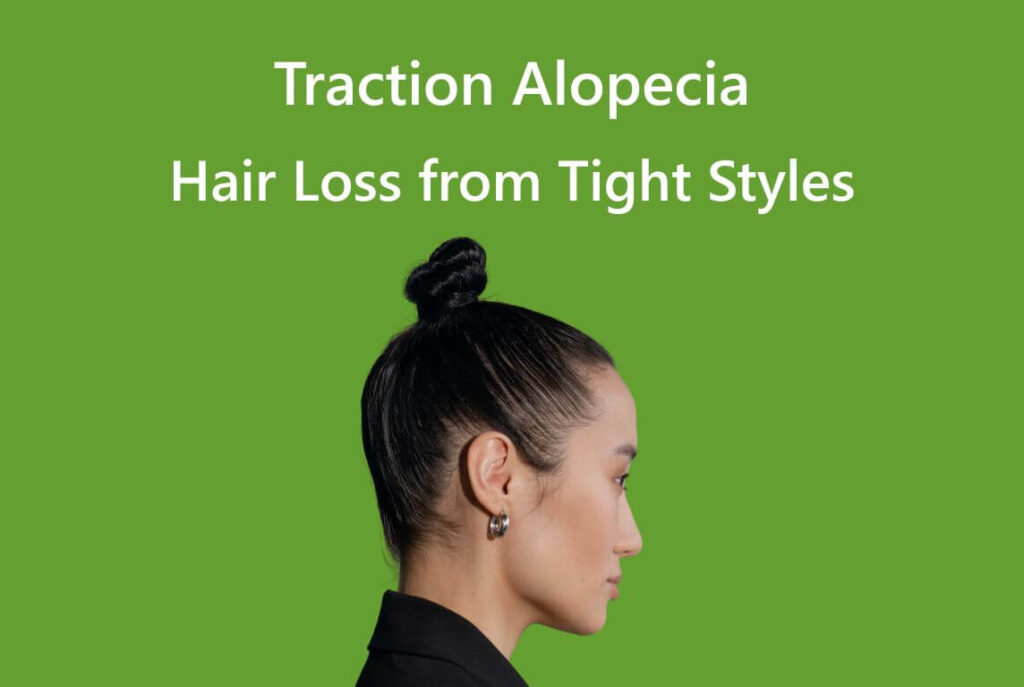
Traction Alopecia: A Common but Often Overlooked Cause of Hair Loss By NuWave Hair Solutions Hair loss can be distressing, especially when it happens gradually and without obvious warning signs. One frequently overlooked cause—particularly among women—is traction alopecia. Unlike hormonal or genetic hair loss, traction alopecia is caused by repeated tension on the hair follicles over time. At NuWave Hair Solutions, we see traction alopecia often, and the good news is that when caught early, it can be preventable and sometimes reversible. What Is Traction Alopecia? Traction alopecia occurs when hair follicles are exposed to chronic pulling or tension, leading to follicle stress, inflammation, and eventually hair thinning or loss. This type of hair loss commonly affects the hairline, temples, and crown, but it can occur anywhere tension is applied. Common hairstyles associated with traction alopecia include: Tight ponytails or buns Braids, cornrows, or extensions Sew-ins or weaves Tight headbands or wigs Repeated slick-back styles Over time, constant tension weakens the follicles and disrupts normal hair growth cycles. Early Signs of Traction Alopecia Recognizing traction alopecia early is critical. Warning signs may include: Thinning around the hairline or temples Short, broken hairs along the edges Scalp tenderness or soreness Redness or inflammation Reduced density in areas under tension If tension continues, follicles can become permanently damaged, leading to scarring hair loss where regrowth is no longer possible. Why Traction Alopecia Happens Hair follicles are sensitive structures. When they are repeatedly pulled, blood flow can be reduced and inflammation can develop around the follicle. Over time, this stress shortens the hair’s growth phase and increases shedding. Traction alopecia is not caused by hormones or genetics, which is why identifying the cause correctly is so important. Treating the wrong type of hair loss can delay progress. Can Traction Alopecia Be Reversed? In its early stages, traction alopecia may improve when tension is reduced and scalp health is supported. However, long-standing traction can lead to permanent follicle damage. That’s why early evaluation is essential. A professional scalp evaluation can help determine: Whether follicles are still viable The level of inflammation present The best approach to support regrowth and scalp recovery Our Approach at NuWave Hair Solutions At NuWave Hair Solutions, we focus on identifying the root cause of hair thinning. Traction alopecia requires a different approach than hormonal or genetic hair loss. Supporting scalp health, reducing inflammation, and modifying hair practices are key steps. If you’re noticing thinning around your hairline, temples, or areas where styles pull tightly, don’t guess. 👉 Schedule a professional scalp evaluation with NuWave Hair Solutions👉 Learn what’s causing your hair thinning👉 Get a personalized plan to protect and support your hair health Early action can make a meaningful difference. #TractionAlopecia#HairLossEducation#HairThinning#ScalpHealth#WomensHairLoss#HealthyScalpHealthyHair#NuWaveHairSolutions#HairLossExperts
Low-Level Laser Therapy
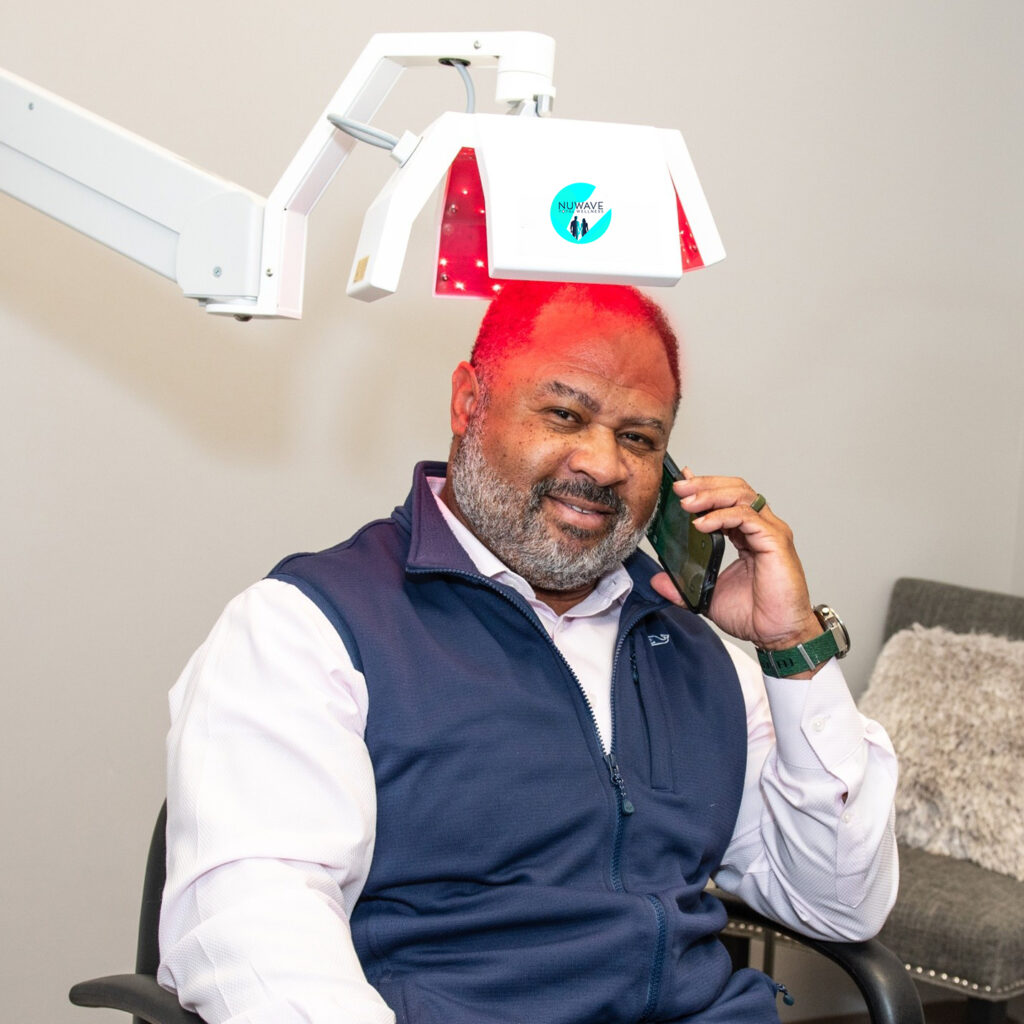
Low-Level Laser Therapy (LLLT) for Hair Loss NuWave Hair Solutions Low-Level Laser Therapy (LLLT) is a non-surgical, painless approach used to support hair health and address hair thinning and shedding. This treatment uses specific wavelengths of light applied to the scalp to help improve circulation and support hair follicle activity—without burning, scarring, or downtime. LLLT works by increasing blood flow to the scalp and hair follicles, helping deliver oxygen and nutrients needed for healthy hair growth. It is commonly used for men and women experiencing thinning hair related to genetics, hormonal changes, stress, or overall scalp health. At NuWave Hair Solutions, Low-Level Laser Therapy is used as part of a personalized, scalp-focused approach to hair restoration. Treatments are comfortable, require no recovery time, and can be incorporated into a broader hair wellness plan. Benefits of Low-Level Laser Therapy may include: Supports healthier scalp conditions Helps strengthen existing hair May improve hair thickness and appearance Encourages a healthy hair growth environment Non-invasive with no known downtime LLLT is widely recognized as a safe, science-supported option for individuals looking to support hair health without surgery or medications. Results vary by individual and are best achieved with consistency and a customized treatment plan. Learn more about Low-Level Laser Therapy and whether it may be right for your hair concerns by scheduling a hair & scalp consultation with NuWave Hair Solutions. #NuWaveHairSolutions #HairLossEducation #HairThinning#ScalpHealth #NonSurgicalHairRestoration#LowLevelLaserTherapy #LLLT #HealthyHair
Inflammation & Hair Loss:
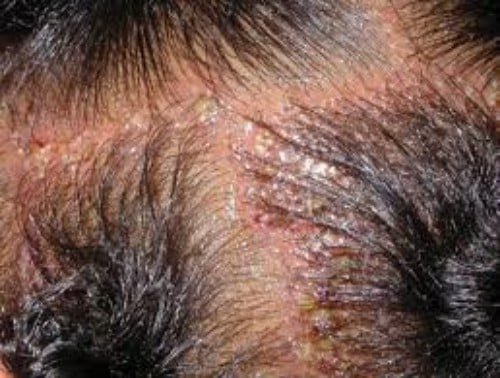
Inflammation & Hair Loss: What’s the Connection? By NuWave Hair Solutions Hair thinning and shedding don’t happen overnight. For many men and women, the underlying cause is not just genetics or aging — it’s inflammation. Inflammation plays a major role in scalp health and can quietly interfere with normal hair growth long before noticeable hair loss occurs. At NuWave Hair Solutions, we focus on identifying the root causes of hair loss. One of the most common and overlooked contributors we see is chronic inflammation affecting the scalp and hair follicles. What Is Inflammation? Inflammation is the body’s natural immune response to stress, injury, illness, or imbalance. Short-term inflammation helps the body heal, but chronic inflammation can become harmful over time. When inflammation is ongoing, it can disrupt blood flow, nutrient delivery, and cellular function — all of which are critical for healthy hair growth. How Inflammation Affects Hair Growth Hair follicles are living structures that rely on a healthy scalp environment. When inflammation is present, several things can happen: Reduced circulation to the scalp Decreased oxygen and nutrient delivery to hair follicles Disruption of the hair growth cycle Premature shedding (telogen effluvium) Slower regrowth and weaker hair strands In many cases, the scalp may look normal on the surface while inflammation continues beneath the skin. Common Causes of Scalp Inflammation Inflammation affecting hair and scalp health can be triggered by many factors, including: Hormonal changes (including DHT sensitivity) Chronic stress and elevated cortisol Postpartum or menopausal shifts Nutrient deficiencies (iron, vitamin D, zinc) Autoimmune or inflammatory conditions Scalp conditions such as dermatitis or folliculitis Poor gut health or metabolic imbalance Because everyone’s body is different, the source of inflammation can vary from person to person. Inflammation & Different Types of Hair Loss Inflammation is involved in several common hair loss patterns, including: Diffuse thinning Pattern hair loss in men and women Postpartum hair shedding Menopausal hair thinning Stress-related hair loss Addressing inflammation is often a key step in slowing hair loss and supporting regrowth. Why Scalp Health Matters Healthy hair starts with a healthy scalp. When inflammation is reduced and circulation improves, hair follicles have a better chance to function properly. Supporting scalp health can help: Reduce excessive shedding Improve hair quality and thickness Enhance the effectiveness of hair restoration treatments Support long-term hair retention Our Approach at NuWave Hair Solutions At NuWave Hair Solutions, we take a personalized, non-surgical approach to hair restoration. We focus on scalp health, circulation, inflammation, and follicle support to help create the right environment for healthier hair growth. Hair loss is rarely just cosmetic — it’s often a signal that the scalp and body need support. Final Thoughts Inflammation can quietly interfere with hair growth long before visible thinning begins. Understanding and addressing inflammation early can help protect existing hair and support healthier regrowth over time. If you’re experiencing thinning, shedding, scalp sensitivity, or changes in hair texture, a professional scalp evaluation can help determine whether inflammation may be contributing to your hair loss. Call to Action Schedule a personalized hair & scalp consultation with NuWave Hair Solutions #NuWaveHairSolutions#HairLossEducation#ScalpHealth#InflammationAndHair#HairThinning#WomensHairLoss#MensHairLoss#HealthyScalpHealthyHair#NonSurgicalHairRestoration
How to Regrow Hair After Menopause
How to Regrow Hair After Menopause By New Wave Hair Solutions Many women notice changes in their hair after menopause — thinning, increased shedding, dryness, or loss of volume. While this can be frustrating and emotional, it’s also very common and often manageable with the right approach. At New Wave Hair Solutions, we help women understand why these changes happen and how to support healthier hair growth during and after menopause. Why Hair Changes After Menopause During menopause, levels of estrogen and progesterone decline. These hormones play an important role in keeping hair in its active growth phase. When estrogen drops: Hair grows for shorter periods More strands shift into the shedding phase Hair may appear finer, weaker, and less dense At the same time, androgens (male-pattern hormones that women also produce) can have a stronger effect on hair follicles, especially on the crown and along the part line. Understanding DHT and Menopausal Hair Thinning One key hormone involved in menopausal hair loss is DHT (dihydrotestosterone). DHT can attach to hair follicles and gradually cause them to shrink. Over time, this leads to thinner hair strands and slower regrowth. The goal is not to eliminate hormones, but to reduce their impact on the hair follicles by supporting scalp health, circulation, and follicle resilience. Supporting Hair Regrowth After Menopause Hair regrowth works best when the scalp is healthy and inflammation is controlled. Important focus areas include: Improving Scalp Circulation Good blood flow helps deliver oxygen and nutrients to the hair follicles. Gentle scalp massage and circulation-supporting treatments can help keep follicles active. Reducing Inflammation Chronic, low-grade inflammation can disrupt hair growth cycles. Addressing inflammation creates a better environment for regrowth. Strengthening Hair Follicles As hair ages, it naturally becomes more fragile. Supporting the scalp helps new hair grow in stronger and more resilient. Scalp Health Is the Foundation After menopause, the scalp may become: Drier More sensitive Less balanced in oil production Gentle exfoliation can remove buildup, while proper hydration helps restore comfort and balance. A healthy scalp allows hair treatments to work more effectively and supports long-term regrowth. Lifestyle Factors That Affect Hair After Menopause Hair health is closely connected to overall wellness. Nutrition Nutrients that support healthy hair and scalp function include: Omega-3 fatty acids Iron Zinc Selenium Stress and Sleep Chronic stress and poor sleep can worsen hormonal imbalance and increase shedding. Managing stress and prioritizing rest play an important role in hair recovery. Consistency Matters Hair growth is a slow process. Most women begin to notice improvements within three to six months when they follow a consistent, supportive routine. A simple routine may include: Gentle cleansing Scalp-focused treatments Daily or regular scalp massage Ongoing evaluation and adjustments There is no overnight fix — but steady care leads to meaningful results. Our Approach at New Wave Hair Solutions At New Wave Hair Solutions, we take a personalized, scalp-focused approach to menopausal hair loss. Our goal is to: Identify contributing factors Support scalp health Reduce inflammation Create realistic, long-term regrowth plans Hair loss after menopause is not just cosmetic — it’s often a sign that the scalp and follicles need attention. Final Thoughts Menopause brings many changes, but hair thinning does not have to be permanent. With education, consistency, and the right scalp-focused approach, healthier hair growth after menopause is achievable. Call to Actions Schedule a personalized hair & scalp consultation with New Wave Hair Solutions Book a professional scalp evaluation today Stop guessing and start understanding your hair changes Take the first step toward healthier hair after menopause #MenopauseHairLoss #PostMenopauseHair#WomensHairLoss #HairThinning#ScalpHealth #HealthyScalpHealthyHair#HormonalHairLoss #HairLossEducation#NewWaveHairSolutions #HairRestoration
Inflammation & Hair Loss:
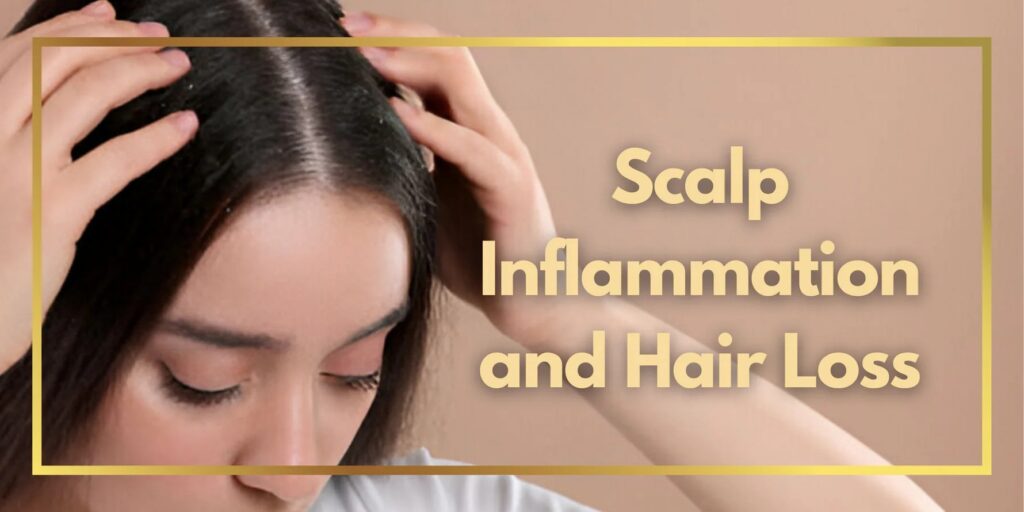
Inflammation & Hair Loss: What You Need to Know By NuWave Hair Solutions When most people hear the word inflammation, they think of joint pain, swelling, or injury. What many don’t realize is that inflammation can also play a significant role in hair thinning, excessive shedding, and scalp disorders — often before visible signs appear. At NuWave Hair Solutions, we focus on identifying the root causes of hair loss. Inflammation is one of the most common — and most overlooked — contributors to changes in hair and scalp health. What Is Inflammation? Inflammation is the body’s natural immune response. When the body senses stress, injury, infection, or imbalance, the immune system increases blood flow and sends immune cells to protect and repair tissue. There are two primary types of inflammation: Acute inflammation – short-term and essential for healing Chronic inflammation – ongoing, low-grade, and damaging over time It’s chronic inflammation that can quietly interfere with normal hair follicle function and growth. How Inflammation Affects Hair Follicles Hair follicles are living, highly active structures that rely on: Healthy circulation Balanced hormones Adequate nutrient delivery A stable immune environment When inflammation is present, several issues may occur: 1. Reduced Blood Flow to the Scalp Inflammation can restrict circulation, limiting oxygen and nutrients reaching the hair follicle. Over time, this weakens hair strands and slows new growth. 2. Disrupted Hair Growth Cycles Chronic inflammation can push hair follicles out of the growth phase prematurely, leading to increased shedding and thinning. 3. Immune Stress on Hair Follicles In some individuals, the immune system mistakenly targets hair follicles, contributing to inflammatory or scarring forms of hair loss. 4. Sebum and Scalp Imbalance Inflammation often disrupts sebaceous (oil) gland function, which can cause: Excess oil buildup Clogged follicles Redness, itching, or scalp sensitivity A stressed scalp environment makes healthy hair growth difficult. Common Triggers of Hair & Scalp Inflammation Inflammation affecting hair and scalp health can come from many internal and external sources, including: Hormonal imbalances (including androgens and DHT) Chronic stress and elevated cortisol Autoimmune activity Poor gut health Nutrient deficiencies (iron/ferritin, vitamin D, zinc) Postpartum hormonal shifts Scalp conditions such as seborrheic dermatitis, folliculitis, CCCA, and lichen planopilaris In many cases, the scalp may appear normal while inflammation continues beneath the surface. Inflammation and Different Types of Hair Loss Inflammation is involved in several common hair loss patterns, including: Pattern thinning related to hormone sensitivity Telogen effluvium caused by stress, illness, or hormonal shifts Inflammatory or scarring alopecias Postpartum hair shedding Because inflammation affects each person differently, a one-size-fits-all approach rarely works. Why Addressing Inflammation Matters When inflammation is properly addressed: Hair follicles can return to healthier growth cycles Scalp circulation improves Treatments become more effective Long-term hair preservation becomes possible At NuWave Hair Solutions, we take a personalized, whole-health approach that focuses on scalp health, internal balance, and evidence-based solutions, not quick fixes. Final Thoughts Hair loss is often a signal from the body, not just a cosmetic concern. Inflammation — whether hormonal, immune-related, or metabolic — can quietly disrupt hair growth over time. Identifying and addressing inflammation early can help protect existing hair, improve regrowth potential, and support long-term scalp health. If you’re experiencing thinning, shedding, scalp irritation, or changes in hair texture, a professional evaluation can help determine whether inflammation is playing a role — and what steps to take next. Schedule your personalized hair & scalp consultation with NuWave Hair Solutions Book an advanced scalp analysis today Stop guessing and start addressing the root cause of hair loss Take the first step toward healthier hair and a healthier scalp #HairLossEducation #HairHealth #ScalpHealth #HairRestoration #HealthyHair#InflammationAndHair #ChronicInflammation #RootCauseHairLoss #HolisticHairCare#WomensHairLoss #MensHairLoss #PostpartumHairLoss #HormonalHairLoss#NuWaveHairSolutions #HairLossExperts #HealthyScalpHealthyHair
What Causes CCCA in Hair Loss?
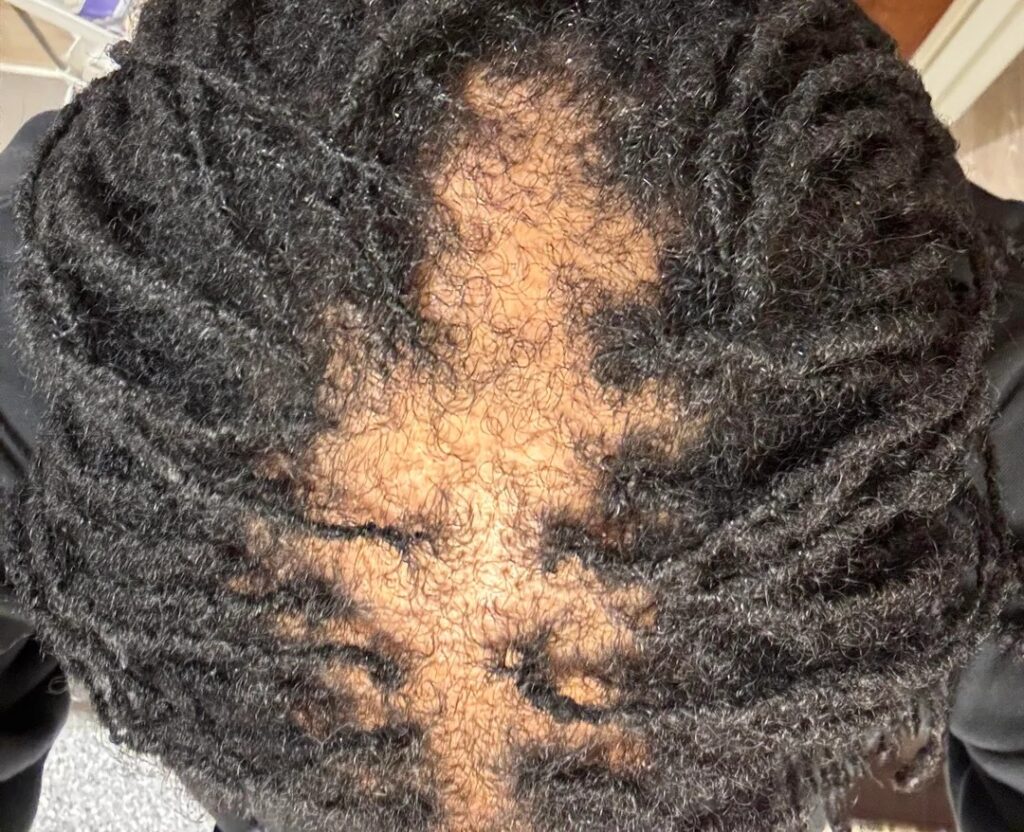
Central Centrifugal Cicatricial Alopecia (CCCA): What You Need to Know Hair loss can be frustrating and confusing — especially when it starts at the crown and seems to slowly spread outward. One condition that commonly causes this pattern is Central Centrifugal Cicatricial Alopecia (CCCA). CCCA is often misunderstood, frequently misdiagnosed, and most importantly, time-sensitive. Early recognition can make a significant difference in long-term hair preservation. Let’s break it down clearly. 4 What Is CCCA? Central Centrifugal Cicatricial Alopecia is a scarring form of hair loss that: Begins at the crown (vertex) of the scalp Gradually spreads outward in a circular pattern Causes permanent damage to hair follicles if left untreated Because CCCA involves scarring, hair does not grow back once follicles are destroyed. This is why early detection is critical. Who Is Most Commonly Affected? CCCA most often affects: Women of African descent Typically between the ages of 30–55 Occasionally men (less common) It is also frequently underdiagnosed, especially in early stages when visible hair loss may be subtle. Early Symptoms (Often Overlooked) Many people with CCCA notice symptoms before obvious hair loss appears, including: Tenderness or soreness at the crown Burning, tingling, or itching Increased breakage at the top of the scalp Hair that feels thinner or weaker Dryness or changes in scalp texture Pain, burning, or sensitivity combined with hair changes can be an early warning sign of a scarring process. What Causes CCCA? CCCA is considered multifactorial, meaning several factors often work together. Chronic Inflammation Persistent inflammation around the hair follicle leads to fibrosis (scar tissue), which replaces healthy follicles over time. Genetic Predisposition Some individuals have a genetic tendency toward inflammation or follicle sensitivity, making them more vulnerable to CCCA. Hair & Scalp Practices While not the sole cause, certain practices may contribute or worsen progression: Tight braids, weaves, or ponytails Chemical relaxers Excessive heat styling Chronic tension at the crown Metabolic & Systemic Factors Emerging research links CCCA with: Insulin resistance Type 2 diabetes Obesity Vitamin D deficiency Chronic stress and elevated cortisol How Is CCCA Diagnosed? Diagnosis is based on: Clinical pattern recognition Scalp examination or magnified analysis Scalp biopsy when confirmation is needed CCCA can be mistaken for other hair loss conditions, such as female pattern hair loss or traction alopecia, which is why professional evaluation is so important. 4 Can Hair Grow Back with CCCA? This is an important distinction: ❌ Hair cannot regrow from scarred follicles ✅ Progression can often be slowed or stabilized ✅ Remaining follicles may be strengthened The primary goal of treatment is stopping active inflammation and preserving existing hair. Treatment Approach Treatment focuses on inflammation control and scalp protection, which may include: Medical anti-inflammatory therapies Topical or injectable treatments (as appropriate) Gentle, low-tension styling Avoiding irritants and excessive heat Supporting scalp health and barrier function Addressing underlying metabolic or nutritional factors Hair transplants are generally not recommended unless the condition is fully inactive and carefully evaluated. Why Early Detection Matters CCCA often progresses quietly. By the time the scalp appears shiny or visibly thinned: Significant follicle damage has already occurred Early identification allows for: Better preservation of hair Slower progression Improved long-term outcomes The Bottom Line Central Centrifugal Cicatricial Alopecia is: A scarring hair loss condition Often painful or inflammatory early on Permanent if untreated Manageable when caught early If you notice crown thinning combined with scalp discomfort, sensitivity, or breakage, seeking a professional scalp evaluation sooner rather than later can make a meaningful difference. #CCCA#ScarringAlopecia#HairLossEducation#CrownThinning#HealthyScalp#HairLossAwareness#WomensHairLoss#InflammationMatters#ScalpHealth#HairRestorationEducation#ProtectYourHair