Postpartum Hair Loss: What’s Happening and How to Support Healthy Regrowth
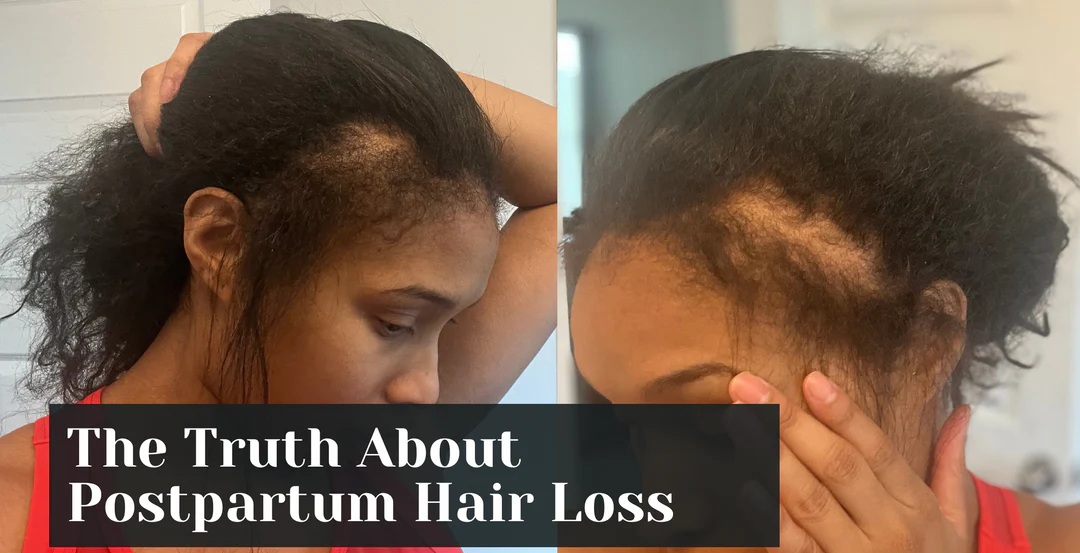
After pregnancy, your body goes through profound changes — physically, emotionally, and hormonally. For many women, one of the most unexpected changes is postpartum hair loss. Seeing more hair in the shower, on your pillow, or in your brush can feel scary, especially when it happens months after giving birth.
The good news? In most cases, postpartum hair loss is normal and temporary.
Understanding why it happens can make the experience far less stressful — and help you support your hair and scalp during recovery.
Why Postpartum Hair Loss Happens
During pregnancy, estrogen levels are significantly higher. This hormone keeps hair in its growth phase longer, which is why many women notice fuller, thicker hair while pregnant.
After delivery, estrogen levels drop rapidly. When this happens, hair that stayed in the growth phase during pregnancy shifts into the shedding phase all at once. This is known as postpartum telogen effluvium.
Shedding typically begins 2–4 months after childbirth, which is why it can feel sudden or confusing — especially when everything else feels new and overwhelming.
What Postpartum Hair Loss Looks Like
Postpartum hair loss can show up differently for each woman, but common signs include:
-
Increased shedding during washing or brushing
-
Thinning around the temples or hairline
-
A wider part or reduced ponytail thickness
-
Hair that feels finer or weaker than before
Sleep deprivation, stress, nutritional demands, breastfeeding, and hormonal fluctuations can all influence how noticeable the shedding feels.
How Long Does Postpartum Hair Loss Last?
For most women, shedding slows within 6–12 months postpartum as hormones gradually rebalance. However, if there are additional factors involved — such as iron deficiency, thyroid imbalance, chronic stress, or scalp inflammation — recovery may take longer.
This is why some women benefit from a professional evaluation, especially if shedding feels excessive or prolonged.
Supporting Hair Health After Pregnancy
While there’s no overnight solution, there are supportive steps that can help promote healthier regrowth:
-
Be gentle with your scalp and hair
-
Avoid tight hairstyles or aggressive styling
-
Focus on balanced nutrition, including protein and iron
-
Support scalp health, not just hair strands
-
Be cautious of online products promising instant regrowth
Hair recovery after pregnancy is a process, and realistic expectations are key.
A Personalized, Compassionate Approach
At NUWAVE Total Wellness, we take an education-first, non-surgical approach to postpartum hair loss. Care is guided by a Certified Trichologist specializing in hair and scalp health, with a focus on identifying contributing factors and supporting your body’s natural recovery.
Every plan is personalized — because no two postpartum journeys are the same.
When to Seek Professional Guidance
If hair loss feels emotionally distressing, severe, or doesn’t seem to improve over time, a professional evaluation can help provide clarity and reassurance. Understanding what’s happening beneath the surface is often the first step toward feeling confident again.
Your body has done something incredible.
With time, support, and the right care, your hair can recover too.
If you’re looking for guidance or answers, NUWAVE Total Wellness is here to help.
#PostpartumHairLoss
#PostpartumShedding
#TelogenEffluvium
#NewMomSupport
#HormonalHairLoss
#WomenHairLoss
#HairThinning
#ScalpHealth
#CertifiedTrichologist
#NonSurgicalHairRestoration
#NUWAVETotalWellness
#HairRestoration
#HolisticWellness
#HeathTX
#RockwallTX
#EastDallasWellness