
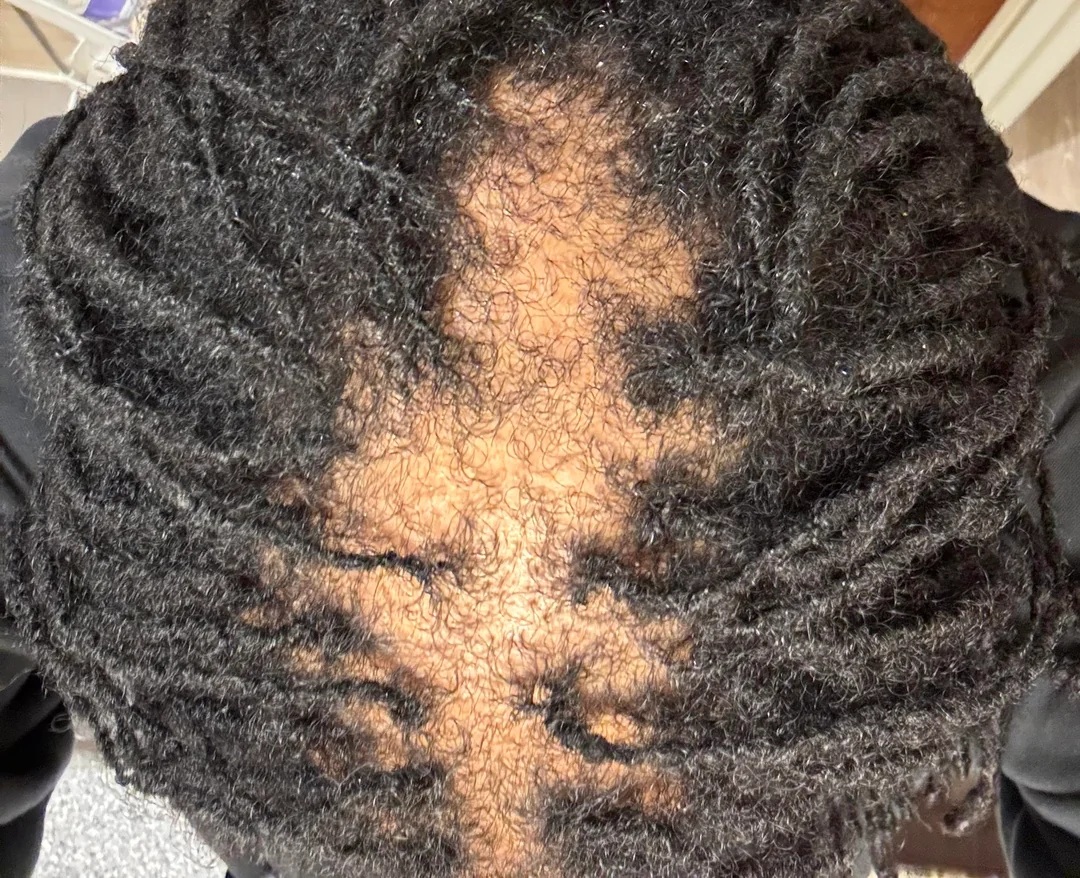
Central Centrifugal Cicatricial Alopecia (CCCA): What You Need to Know
Hair loss can be frustrating and confusing — especially when it starts at the crown and seems to slowly spread outward. One condition that commonly causes this pattern is Central Centrifugal Cicatricial Alopecia (CCCA).
CCCA is often misunderstood, frequently misdiagnosed, and most importantly, time-sensitive. Early recognition can make a significant difference in long-term hair preservation.
Let’s break it down clearly.


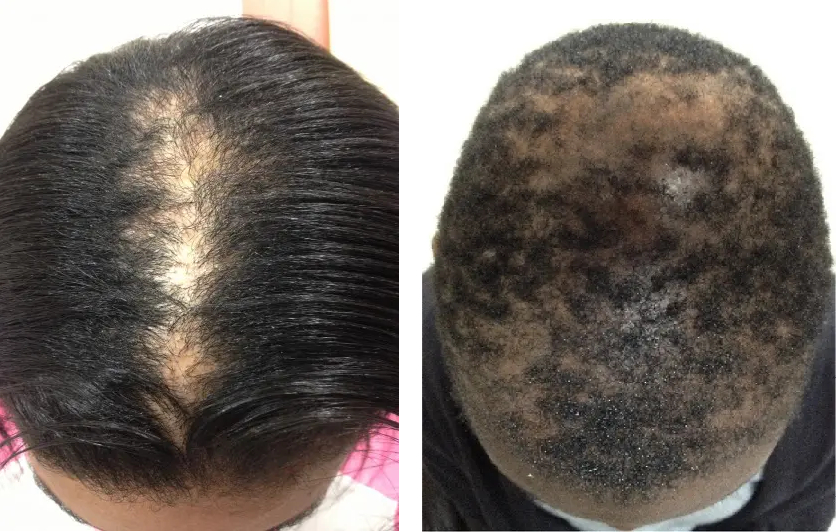
What Is CCCA?
Central Centrifugal Cicatricial Alopecia is a scarring form of hair loss that:
-
Begins at the crown (vertex) of the scalp
-
Gradually spreads outward in a circular pattern
-
Causes permanent damage to hair follicles if left untreated
Because CCCA involves scarring, hair does not grow back once follicles are destroyed. This is why early detection is critical.
Who Is Most Commonly Affected?
CCCA most often affects:
-
Women of African descent
-
Typically between the ages of 30–55
-
Occasionally men (less common)
It is also frequently underdiagnosed, especially in early stages when visible hair loss may be subtle.
Early Symptoms (Often Overlooked)
Many people with CCCA notice symptoms before obvious hair loss appears, including:
-
Tenderness or soreness at the crown
-
Burning, tingling, or itching
-
Increased breakage at the top of the scalp
-
Hair that feels thinner or weaker
-
Dryness or changes in scalp texture
Pain, burning, or sensitivity combined with hair changes can be an early warning sign of a scarring process.
What Causes CCCA?
CCCA is considered multifactorial, meaning several factors often work together.
Chronic Inflammation
Persistent inflammation around the hair follicle leads to fibrosis (scar tissue), which replaces healthy follicles over time.
Genetic Predisposition
Some individuals have a genetic tendency toward inflammation or follicle sensitivity, making them more vulnerable to CCCA.
Hair & Scalp Practices
While not the sole cause, certain practices may contribute or worsen progression:
-
Tight braids, weaves, or ponytails
-
Chemical relaxers
-
Excessive heat styling
-
Chronic tension at the crown
Metabolic & Systemic Factors
Emerging research links CCCA with:
-
Insulin resistance
-
Type 2 diabetes
-
Obesity
-
Vitamin D deficiency
-
Chronic stress and elevated cortisol
How Is CCCA Diagnosed?
Diagnosis is based on:
-
Clinical pattern recognition
-
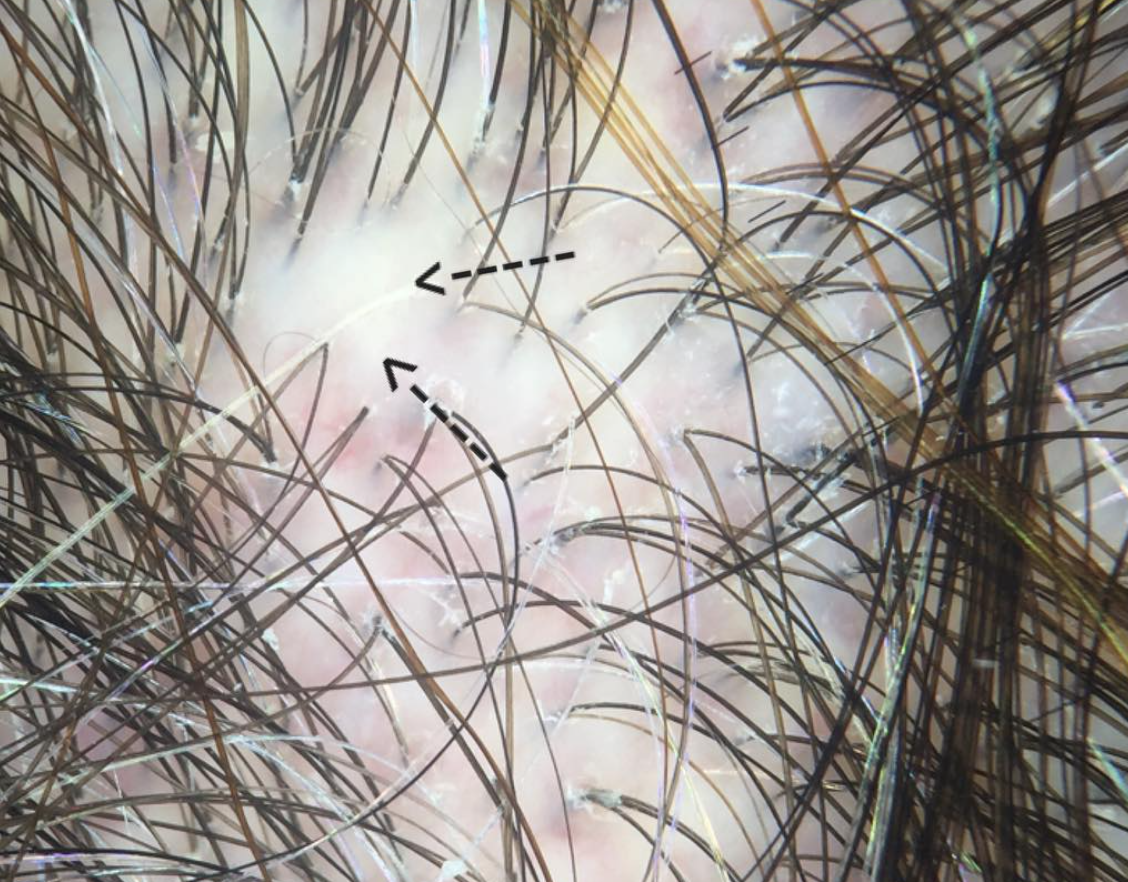
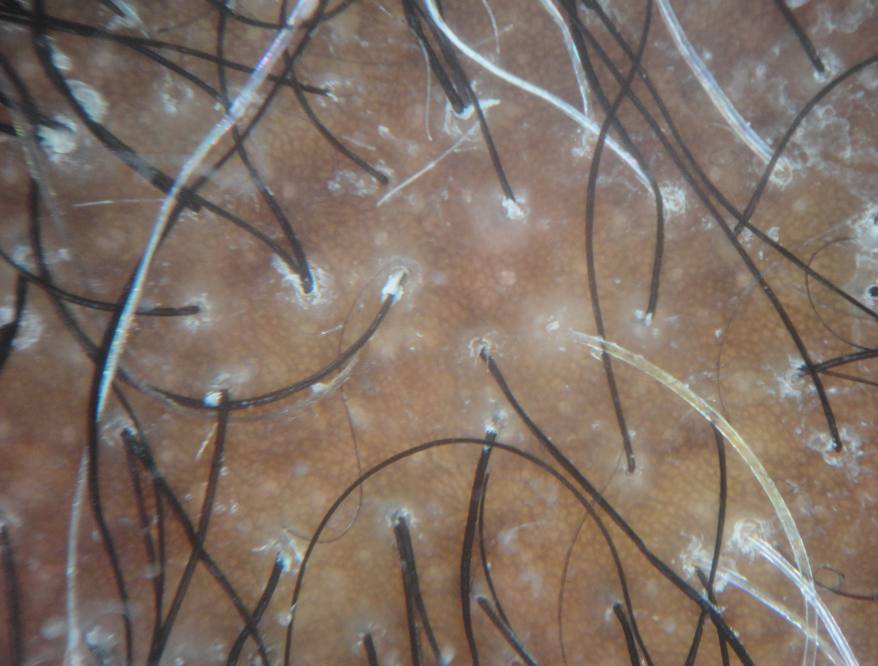
Scalp examination or magnified analysis
-
Scalp biopsy when confirmation is needed
CCCA can be mistaken for other hair loss conditions, such as female pattern hair loss or traction alopecia, which is why professional evaluation is so important.

Can Hair Grow Back with CCCA?
This is an important distinction:
-
❌ Hair cannot regrow from scarred follicles
-
✅ Progression can often be slowed or stabilized
-
✅ Remaining follicles may be strengthened
The primary goal of treatment is stopping active inflammation and preserving existing hair.
Treatment Approach
Treatment focuses on inflammation control and scalp protection, which may include:
-
Medical anti-inflammatory therapies
-
Topical or injectable treatments (as appropriate)
-
Gentle, low-tension styling
-
Avoiding irritants and excessive heat
-
Supporting scalp health and barrier function
-
Addressing underlying metabolic or nutritional factors
Hair transplants are generally not recommended unless the condition is fully inactive and carefully evaluated.
Why Early Detection Matters
CCCA often progresses quietly. By the time the scalp appears shiny or visibly thinned:
-
Significant follicle damage has already occurred
Early identification allows for:
-
Better preservation of hair
-
Slower progression
-
Improved long-term outcomes
The Bottom Line
Central Centrifugal Cicatricial Alopecia is:
-
A scarring hair loss condition
-
Often painful or inflammatory early on
-
Permanent if untreated
-
Manageable when caught early
If you notice crown thinning combined with scalp discomfort, sensitivity, or breakage, seeking a professional scalp evaluation sooner rather than later can make a meaningful difference.
#CCCA
#ScarringAlopecia
#HairLossEducation
#CrownThinning
#HealthyScalp
#HairLossAwareness
#WomensHairLoss
#InflammationMatters
#ScalpHealth
#HairRestorationEducation
#ProtectYourHair